other

spout pouch filling machine

Home

spout pouch filling machine

  • Challenges of Installing Equipment in Africa
    Challenges of Installing Equipment in Africa Nov 14, 2025
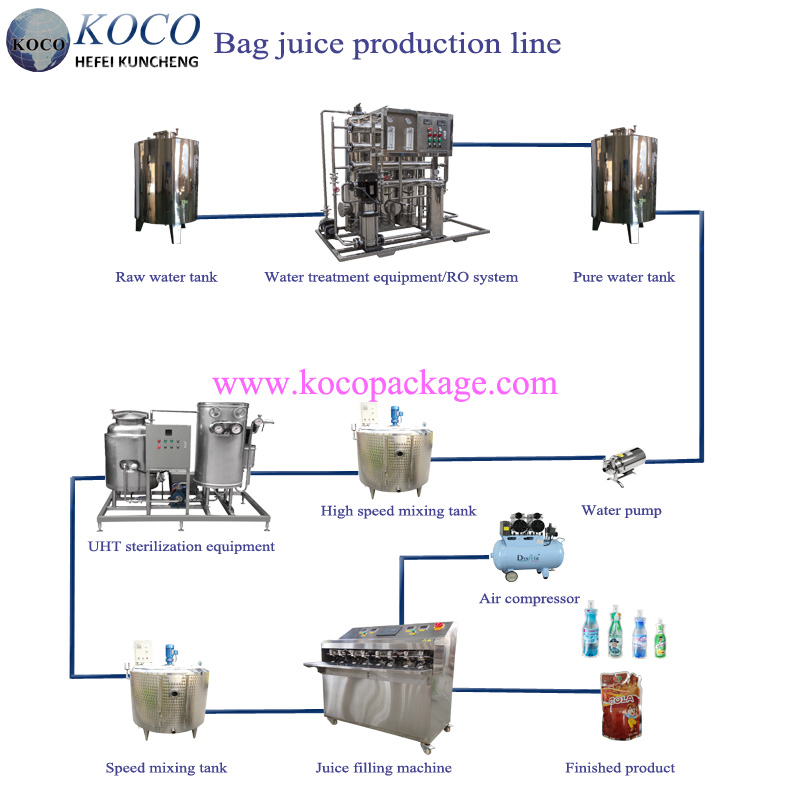
    The African continent is emerging as a new growth engine for the global bagged beverage industry. However, companies often face multiple challenges in technology, environment, and supply chain during the installation of bagged juice production lines. Improper handling of these issues can not only affect project progress but also lead to long-term operational inefficiency. The following are key issues, solutions, and typical cases based on industry practice. 1. Typical Problems in the Installation and Commissioning Phase The unique infrastructure characteristics of African countries are a primary challenge. Unstable power supply leads to frequent voltage fluctuations during the commissioning of bagged beverage packaging machines, potentially damaging PLC control systems or servo motors. In one West African country, a sudden 30% voltage drop in the power grid caused data loss in the heat-sealing temperature control module, resulting in a sealing pass rate dropping to 62%. High temperature and humidity environments place higher demands on equipment materials; ordinary carbon steel frames are prone to corrosion in coastal countries, affecting the alignment accuracy of precision components in bagged juice filling machines. A shortage of skilled workers is another pain point. Local employees lack basic mechanical and electrical knowledge, making it difficult for them to independently perform equipment maintenance. This often delays the replacement cycle of filter cartridges in RO water treatment production lines, resulting in substandard water quality. The risk of supply chain disruptions is also prominent. One East African production line was forced to shut down for six weeks due to a six-week shortage of critical sealing rings caused by shipping delays. 2. Systemic Solutions Regarding power issues, voltage regulators and UPS uninterruptible power supplies should be installed at the front end of the bagged beverage packaging machine, and the grounding resistance of the control system should be reduced to below 4 ohms. An Egyptian project increased the effective operating time of the equipment from 18 hours to 22 hours per day by adding a photovoltaic complementary system. Environmental adaptability modifications need to be designed from the source, using 316 stainless steel instead of 304, and incorporating dehumidifiers and cooling fans into the electrical control cabinet to ensure that the bagged juice filling machine maintains a filling accuracy of ±1% at high temperatures. In terms of personnel capacity building, it is recommended to implement a "shadow program," sending local key personnel to Chinese manufacturers for four weeks of training, and establishing a trilingual (Chinese, English, and French) operation video library. For supply chain management, a six-month supply of consumable parts should be stocked locally, especially core consumables such as RO membranes and high-pressure pump seals for RO water treatment production lines. A digital preventative maintenance system can reduce fault response time from 72 hours to 8 hours. 3. Regional Case Studies Nairobi, Kenya: A Chinese-invested enterprise, while installing a juice production line with a daily output of 100,000 bags, discovered that the raw water hardness reached 380 mg/L, far exceeding the design threshold of the RO water treatment production line. The technical team added a softening resin tank on-site and adjusted the RO membrane arrangement to a two-stage configuration, stabilizing the water recovery rate at over 65%. Simultaneously, they introduced servo motors to replace cylinders in the forming stage of the bagged beverage packaging machine, reducing reliance on compressed air and adapting to the unstable local air supply. The project recouped its investment within 18 months of commissioning. Lagos, Nigeria: A local enterprise, after introducing a bagged juice filling machine, experienced continuous sealing problems due to high dust concentrations in the factory. Chinese engineers upgraded the equipment to a fully sealed structure, added a negative pressure dust removal device, and trained the local team to establish a cleaning SOP four times per shift. After the upgrade, the product qualification rate increased from 85% to 98%, making it a benchmark enterprise for bagged beverages in West Africa. These cases demonstrate that while the African market presents numerous challenges, bagged juice production lines can achieve stable and efficient operation through forward-looking technological adaptation, localized talent development, and a resilient supply chain. The key lies in transforming "standard equipment" into an "African version," which is precisely the core competitiveness of Chinese equipment manufacturers.
  • Food-grade spout bag/self-supporting lid bag
    Food-grade spout bag/self-supporting lid bag Jul 18, 2025
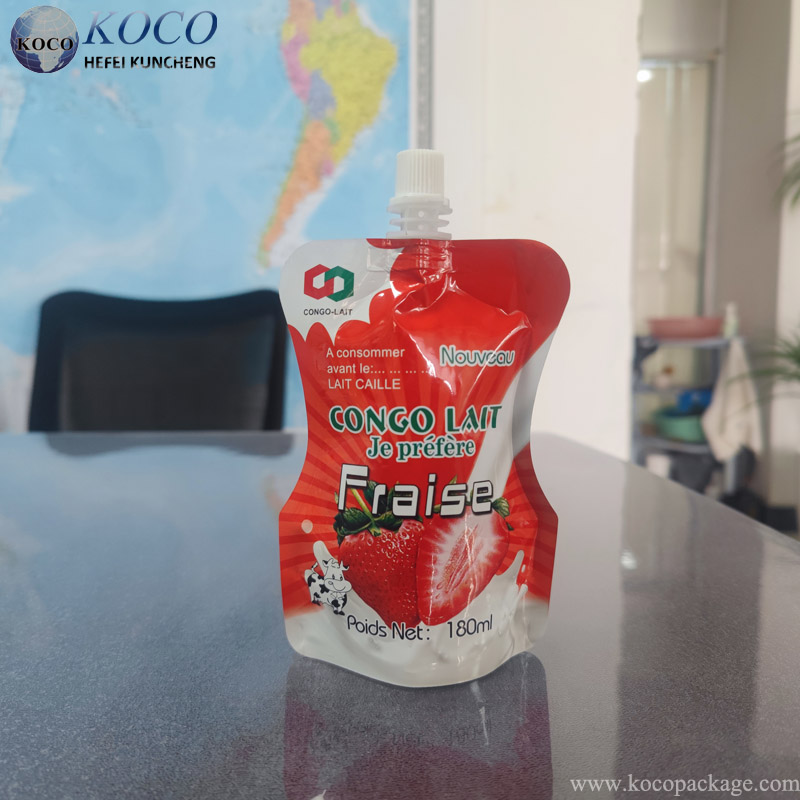
    Food-grade spout bags are also called twist-off bags or screw-on lid bags. They are suitable for milk, juice, purified water or any liquid with good fluidity. They can also be used to can thick liquids such as honey and ketchup. For chemical products, they can also be used to can shampoo, detergent and other liquids.     Features • Safe material: food-grade PET/PE; for areas with plastic reduction laws, we also provide aluminum foil or aluminum-coated PET versions. • Leak-proof screw cap: You can carry it with you whether you are working or going to school, making it convenient for everyone to travel. After drinking, reseal it and slide the bag into your pocket or backpack - fresh and hygienic every time. • Space-saving self-supporting bottom: It is firmly placed on the shelf and remains flat when empty. • The size varies according to the filling volume of different machines, generally between 100 ml and 500 ml, and can be made to 5 liters if required (the filling volume needs to be determined by the size of the machine filling volume); up to 10 colors of printing can be customized.     Perfect match Our compact spout bag filling machine (pictured above) is tailor-made for this bag. Tabletop design, simple and convenient bagging, 1500 bags per hour - perfect for start-ups, cafes, farmers markets or mobile vending machines. Please contact us for samples, minimum order quantity 100,000 pieces.
  • The current situation and prospects of bagged water in Mali
    The current situation and prospects of bagged water in Mali May 23, 2025
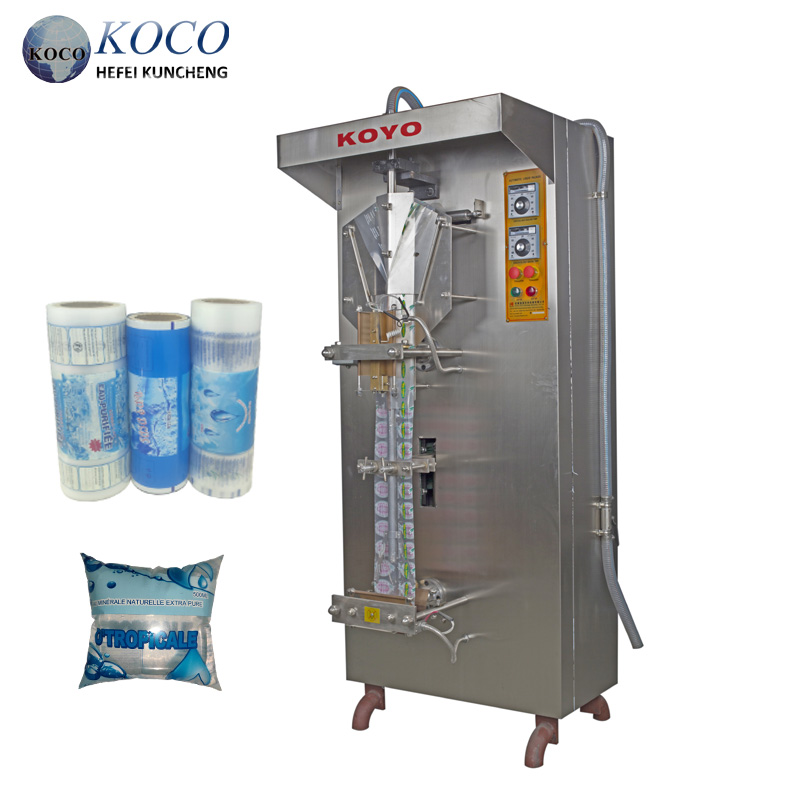
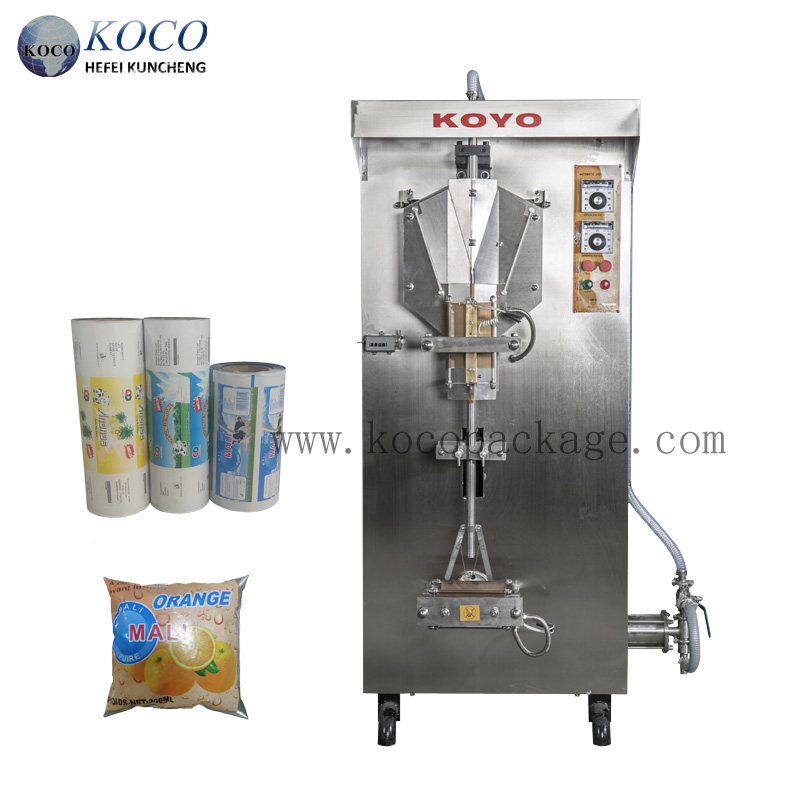
    In Mali, Africa, a water revolution is quietly taking place. Bag water, also known as "Eau-purifiée", is more than just a product; it meets one of the most basic human needs - clean drinking water. As the bag water market in Mali continues to grow, it is becoming increasingly clear that the Malian people are increasingly concerned about the safety of drinking water. In this blog, we will explore the reasons behind the booming bag water market in Mali and why its future prospects are so bright. 1. Growing consumer demand: The demand for pure water in Mali has soared, and the demand for clean drinking water is growing not only in Mali, but also throughout Africa. Consumers are becoming more aware of the importance of safe drinking water to their health and are looking for convenient and affordable options. Bag water meets this need, providing a hygienic, portable way to replenish water that can be easily obtained even in remote areas. 2. Health and hygiene awareness: As the education level of the Malian people continues to improve, more and more people are aware that polluted water can cause irreparable damage to their health. As a result, people are turning to clean drinking water, and bagged drinking water is very popular in Mali because it is considered safer drinking water. This has led to a surge in demand for bagged water, especially in urban areas where health awareness is growing. 3. Climate Change and Water Scarcity: Mali is facing the harsh reality of climate change, which has led to water shortages in the country, and bagged water is essential to ensure that consumers have access to clean drinking water even in times of drought. This makes bagged water a necessity in the country. 4. Economic Growth and Urbanization: As Mali's economy grows and urbanization progresses, the middle class continues to grow, and their demand for convenience and personal health is also growing. Bagged water meets these needs. It is not only safe, but also easy to transport and store. 5. Technological Advances: Bagged water benefits from advances in equipment technology, which has improved production efficiency and reduced costs. Breakthroughs in packaging machinery and water treatment technology have improved the quality of bagged water, making it more attractive to consumers. 6. Support from the government and non-governmental organizations: The Malian government also recognizes the importance of bagged water to health. They provide support by encouraging local water plants to produce clean bagged water in large quantities. 7. Market innovation: Businesses in the bagged water industry need to meet the needs of consumers. This includes providing flavored water, water rich in essential minerals, and even increasingly popular bagged water for cooking. Due to climate change and water shortages in Mali, coupled with the country's economic growth, consumers' demand for healthy diets continues to grow. This is also accompanied by a continued increase in demand for packaging equipment. The three machines developed by our company, sachet water making machine, water packaging machine, and koyo water sachet machine, are very popular in the African market. With the growing demand for clean and convenient drinking water, Mali's bagged water market has also ushered in development opportunities. And the bagged water equipment industry has also ushered in rapid development. The prospects for Mali's packaged water are not only promising, but with the support and continued investment of the government and local companies, Mali's packaged water market will become a model for other African countries facing similar water shortages.
  • Sachet juice packaging machine African market analysis
    Sachet juice packaging machine African market analysis Oct 11, 2024
    The African market for doypack packing machines,sachet juice packaging machines and sachet juice filling machines is experiencing significant growth due to the rising demand for convenient and hygienic packaging solutions. The doypack packing machine, known for its versatility and efficiency, is particularly popular in the food and beverage industry for packaging a wide range of products, including juices, sauces, and dairy products. These machines offer features such as intelligent touch screen settings for quick parameter adjustments, ribbon coding for date and batch number printing, and high-sensitivity cursor fixation to prevent film deviation during the rolling process . The juice packaging machine market in Africa is driven by the need for portable and single-serve packaging options. These machines are designed to handle various packaging materials and forms, such as powders, liquids, and pastes, providing flexibility to manufacturers. The demand for juice filling machines is also on the rise, with features like automated filling and sealing systems, sterilization, and inspection capabilities to ensure hygienic and consistent packaging . Technological advancements have played a crucial role in shaping the sachet packaging machine industry. Modern innovations have increased production speed and precision, with high-speed machines equipped with sophisticated controls and robotics capable of producing thousands of sachets per hour. Additionally, advancements in film technology have improved the barrier properties of sachets, extending the shelf life of products . Environmental concerns and the push for sustainability are also influencing the market. There is a growing trend towards using biodegradable or recyclable materials in packaging, which helps companies reduce their environmental impact while meeting consumer preferences for sustainable packaging . In conclusion, the African market for doypack packing machines, juice packaging machines, and juice filling machines is poised for continued growth, driven by the demand for convenience, hygiene, and sustainability. Manufacturers are investing in advanced technologies and sustainable solutions to meet the evolving needs of the market and its consumers.
Contact

For inquiries about our products or pricelist, please leave to us and we will be in touch within 24 hours.

Tel : 008613605512069

Email : kocomachinery@gmail.com

Whatsapp : 008619159001917

Address : ZHESHANG START BUSINESS MANSION ROOM NO.1407 NO.103 KEXUEDADAO ROAD, HEFEI ANHUI, CHINA.

Subscribe

Please read on, stay posted, subscribe, and we welcome you to tell us what you think.

submit

Copyright 2025 @ KOCO CO.,LTD .All Rights Reserved.Sitemap | Blog | Network Supported

XML | Privacy Policy

leave a message

leave a message
If you are interested in our products and want to know more details,please leave a message here,we will reply you as soon as we can.
submit

Home

Products

whatsApp

contact