Challenges of Installing Equipment in Africa
Nov 14, 2025
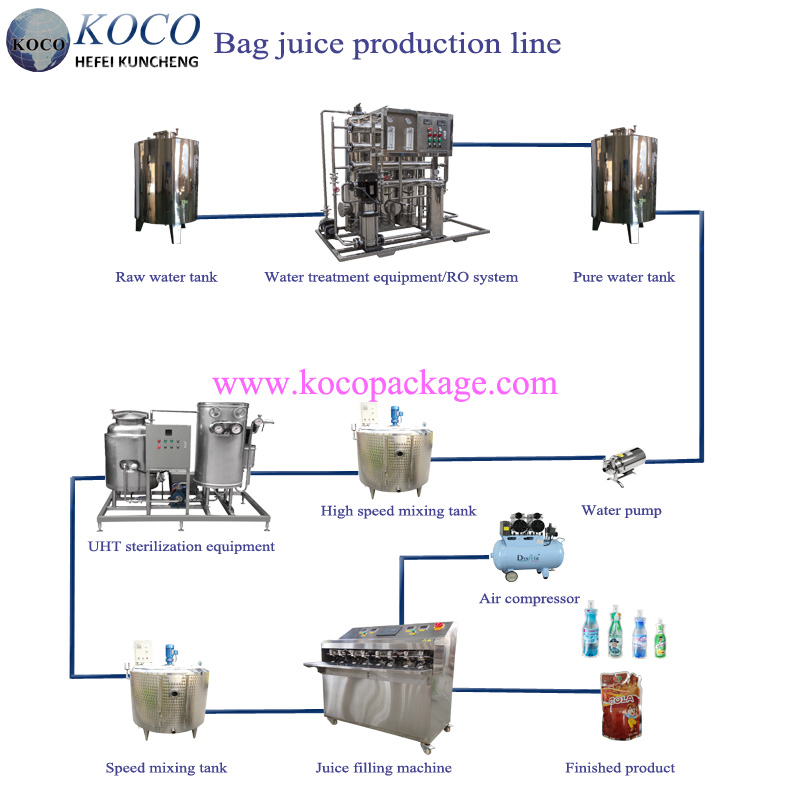
The African continent is emerging as a new growth engine for the global bagged beverage industry. However, companies often face multiple challenges in technology, environment, and supply chain during the installation of bagged juice production lines. Improper handling of these issues can not only affect project progress but also lead to long-term operational inefficiency. The following are key issues, solutions, and typical cases based on industry practice.
1. Typical Problems in the Installation and Commissioning Phase
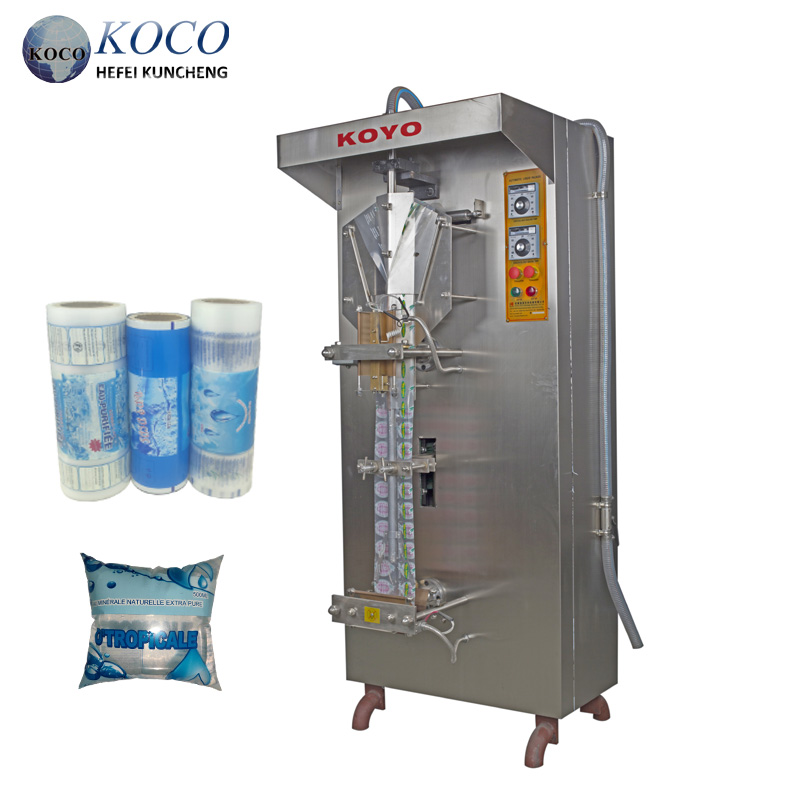
The unique infrastructure characteristics of African countries are a primary challenge. Unstable power supply leads to frequent voltage fluctuations during the commissioning of bagged beverage packaging machines, potentially damaging PLC control systems or servo motors. In one West African country, a sudden 30% voltage drop in the power grid caused data loss in the heat-sealing temperature control module, resulting in a sealing pass rate dropping to 62%. High temperature and humidity environments place higher demands on equipment materials; ordinary carbon steel frames are prone to corrosion in coastal countries, affecting the alignment accuracy of precision components in bagged juice filling machines. A shortage of skilled workers is another pain point. Local employees lack basic mechanical and electrical knowledge, making it difficult for them to independently perform equipment maintenance. This often delays the replacement cycle of filter cartridges in RO water treatment production lines, resulting in substandard water quality. The risk of supply chain disruptions is also prominent. One East African production line was forced to shut down for six weeks due to a six-week shortage of critical sealing rings caused by shipping delays.
2. Systemic Solutions Regarding power issues, voltage regulators and UPS uninterruptible power supplies should be installed at the front end of the bagged beverage packaging machine, and the grounding resistance of the control system should be reduced to below 4 ohms. An Egyptian project increased the effective operating time of the equipment from 18 hours to 22 hours per day by adding a photovoltaic complementary system. Environmental adaptability modifications need to be designed from the source, using 316 stainless steel instead of 304, and incorporating dehumidifiers and cooling fans into the electrical control cabinet to ensure that the bagged juice filling machine maintains a filling accuracy of ±1% at high temperatures. In terms of personnel capacity building, it is recommended to implement a "shadow program," sending local key personnel to Chinese manufacturers for four weeks of training, and establishing a trilingual (Chinese, English, and French) operation video library. For supply chain management, a six-month supply of consumable parts should be stocked locally, especially core consumables such as RO membranes and high-pressure pump seals for RO water treatment production lines. A digital preventative maintenance system can reduce fault response time from 72 hours to 8 hours.
3. Regional Case Studies
Nairobi, Kenya: A Chinese-invested enterprise, while installing a juice production line with a daily output of 100,000 bags, discovered that the raw water hardness reached 380 mg/L, far exceeding the design threshold of the RO water treatment production line. The technical team added a softening resin tank on-site and adjusted the RO membrane arrangement to a two-stage configuration, stabilizing the water recovery rate at over 65%. Simultaneously, they introduced servo motors to replace cylinders in the forming stage of the bagged beverage packaging machine, reducing reliance on compressed air and adapting to the unstable local air supply. The project recouped its investment within 18 months of commissioning.
Lagos, Nigeria: A local enterprise, after introducing a bagged juice filling machine, experienced continuous sealing problems due to high dust concentrations in the factory. Chinese engineers upgraded the equipment to a fully sealed structure, added a negative pressure dust removal device, and trained the local team to establish a cleaning SOP four times per shift. After the upgrade, the product qualification rate increased from 85% to 98%, making it a benchmark enterprise for bagged beverages in West Africa.
These cases demonstrate that while the African market presents numerous challenges, bagged juice production lines can achieve stable and efficient operation through forward-looking technological adaptation, localized talent development, and a resilient supply chain. The key lies in transforming "standard equipment" into an "African version," which is precisely the core competitiveness of Chinese equipment manufacturers.




 Network Supported