


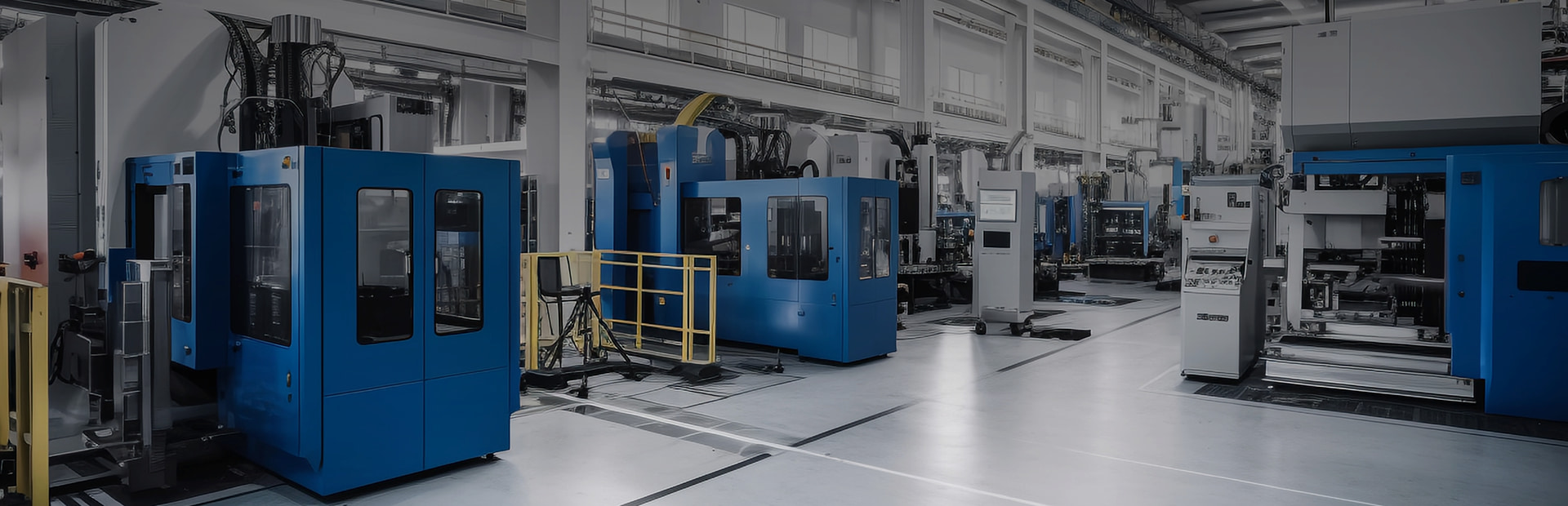
The three-in-one bottled water filling machine is a vital component of modern bottled water production lines. It integrates three key functions—rinsing, filling, and capping—into a single unit, significantly improving production efficiency and ensuring consistent product quality. Proper maintenance and adherence to operating precautions are crucial for extending the machine's lifespan and maintaining its performance. This concise manual provides key maintenance tips and important precautions for operating the bottled water filling machine.
Daily Maintenance
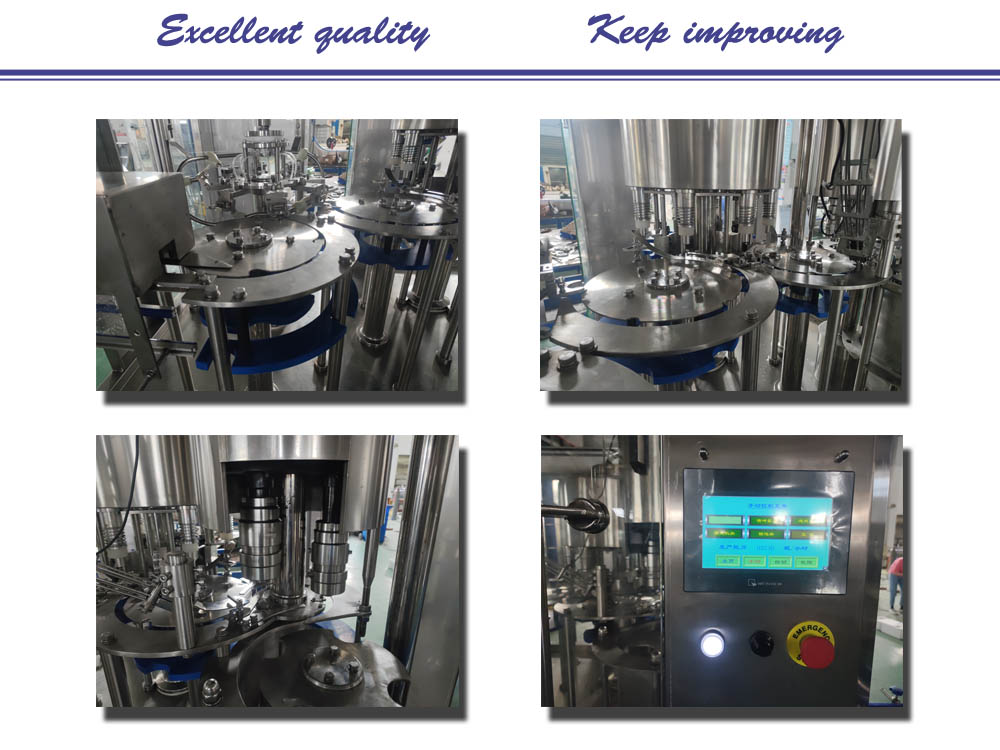
After each production shift, thoroughly clean the machine, removing any residual water, dirt, or debris. Pay particular attention to the filling nozzles, capping heads, and rinsing stations. Use a soft cloth or sponge with a mild detergent to wipe down surfaces. Check all hoses, pipes, and connections for leaks. Tighten any loose connections and immediately replace damaged hoses to prevent water waste and potential machine damage. Apply appropriate lubricant to gears, bearings, and other moving parts. Proper lubrication reduces friction and wear, ensuring smooth operation.
Weekly Maintenance
Disassemble and clean key components such as filling valves, rinsing nozzles, and capping mechanisms. Use a brush or high-pressure water jet to remove stubborn deposits. Clean the water pipes and filling system with a food-grade disinfectant. This helps eliminate bacteria and ensures the purity of the bottled water. Check all electrical connections, switches, and control panels for signs of wear or damage. Replace any damaged components to prevent electrical malfunctions.
Monthly Maintenance
Regularly check and calibrate the filling volume to ensure accuracy. Adjust the filling mechanism as needed to maintain consistent bottle filling volumes. Replace all filters in the water treatment system, such as pre-filters, activated carbon filters, and reverse osmosis membranes, to maintain water quality. Check the conveyor belt for wear, stretching, or misalignment. Adjust the tension and replace damaged belts to ensure smooth bottle conveyance. Precautions
Safety Measures
Always wear personal protective equipment (PPE), including gloves, safety glasses, and earplugs, when operating or maintaining the machine. Ensure the machine is powered off and locked out before performing any maintenance work. Never perform repairs while the machine is running.
Operating Tips
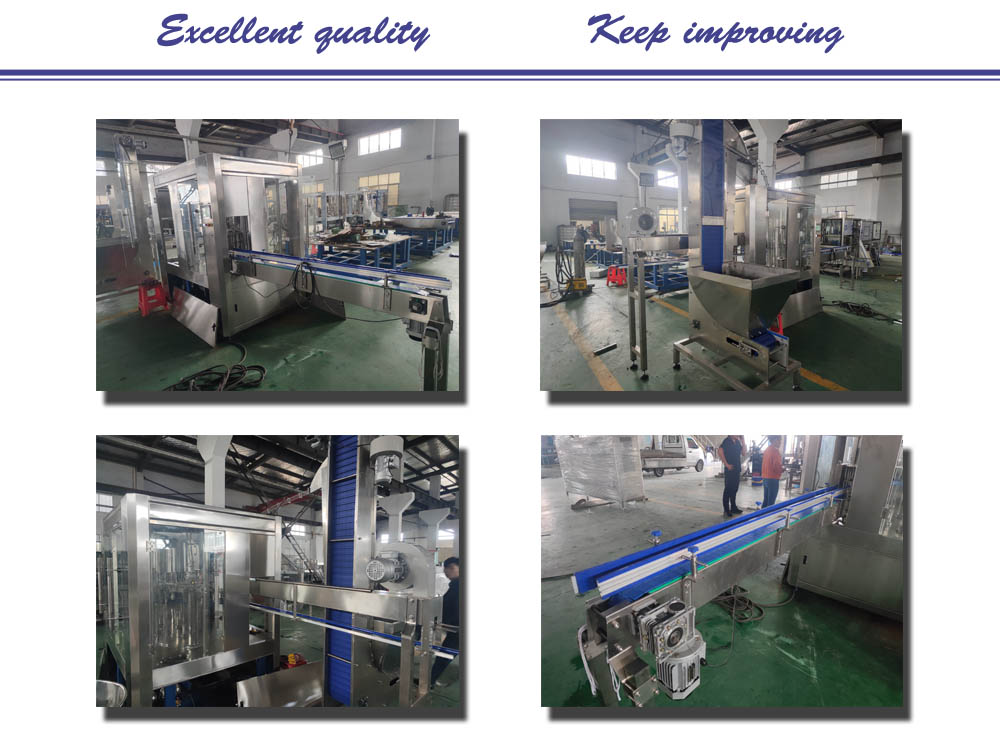
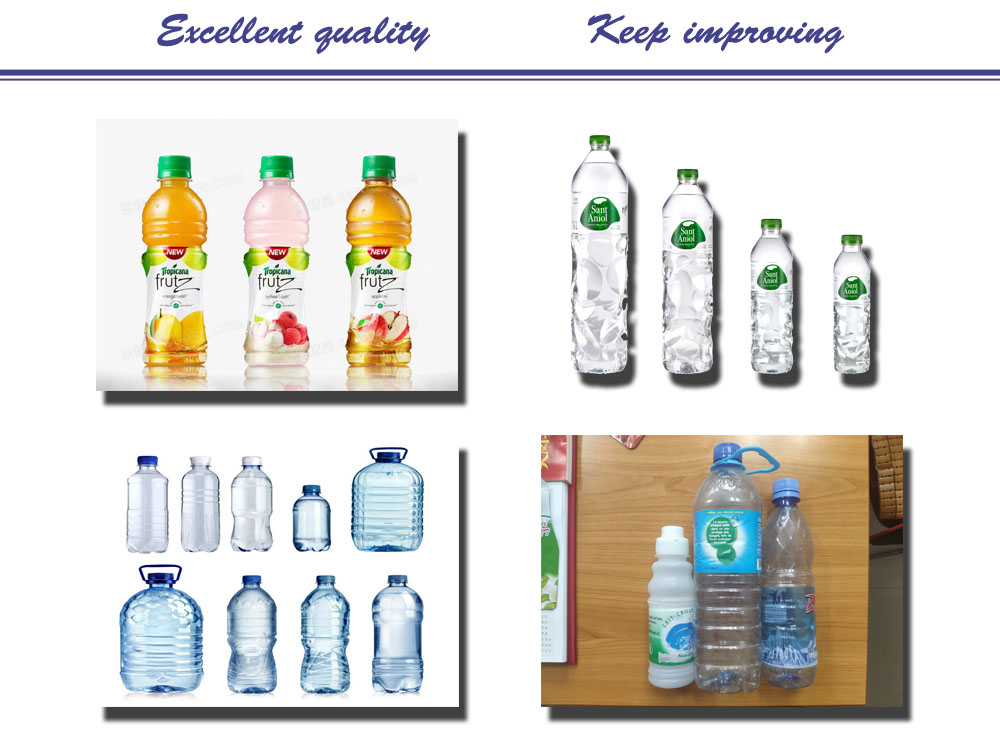
Ensure that the bottle size and material used meet the machine's specifications. Before filling, inspect bottles for defects to prevent blockages or breakages. Continuously monitor the water quality being filled into the bottles. Regularly test for contaminants and adjust the water treatment system as needed to maintain high-quality output.
Troubleshooting
Familiarize yourself with common malfunctions such as leaks, blockages, or misaligned components. Address these issues promptly to minimize downtime. If you encounter unfamiliar problems, consult the user manual or contact the manufacturer for assistance. Attempting repairs without guidance may lead to more complex problems.
Conclusion
Maintaining a purified water filling machine is crucial for ensuring consistent product quality and extending the machine's lifespan. By following the maintenance procedures and safety precautions outlined above, operators can keep the machine in optimal condition, reduce downtime, and ensure a safe working environment. Regular cleaning, inspection, and calibration, along with proper safety practices, are key to maximizing the efficiency and reliability of the filling process.
For inquiries about our products or pricelist, please leave to us and we will be in touch within 24 hours.
Email : kocomachinery@gmail.com
Address : ZHESHANG START BUSINESS MANSION ROOM NO.1407 NO.103 KEXUEDADAO ROAD, HEFEI ANHUI, CHINA.
Please read on, stay posted, subscribe, and we welcome you to tell us what you think.


 Network Supported