other

juice packing machine

Home

juice packing machine

  • Challenges of Installing Equipment in Africa
    Challenges of Installing Equipment in Africa Nov 14, 2025
    The African continent is emerging as a new growth engine for the global bagged beverage industry. However, companies often face multiple challenges in technology, environment, and supply chain during the installation of bagged juice production lines. Improper handling of these issues can not only affect project progress but also lead to long-term operational inefficiency. The following are key issues, solutions, and typical cases based on industry practice. 1. Typical Problems in the Installation and Commissioning Phase The unique infrastructure characteristics of African countries are a primary challenge. Unstable power supply leads to frequent voltage fluctuations during the commissioning of bagged beverage packaging machines, potentially damaging PLC control systems or servo motors. In one West African country, a sudden 30% voltage drop in the power grid caused data loss in the heat-sealing temperature control module, resulting in a sealing pass rate dropping to 62%. High temperature and humidity environments place higher demands on equipment materials; ordinary carbon steel frames are prone to corrosion in coastal countries, affecting the alignment accuracy of precision components in bagged juice filling machines. A shortage of skilled workers is another pain point. Local employees lack basic mechanical and electrical knowledge, making it difficult for them to independently perform equipment maintenance. This often delays the replacement cycle of filter cartridges in RO water treatment production lines, resulting in substandard water quality. The risk of supply chain disruptions is also prominent. One East African production line was forced to shut down for six weeks due to a six-week shortage of critical sealing rings caused by shipping delays. 2. Systemic Solutions Regarding power issues, voltage regulators and UPS uninterruptible power supplies should be installed at the front end of the bagged beverage packaging machine, and the grounding resistance of the control system should be reduced to below 4 ohms. An Egyptian project increased the effective operating time of the equipment from 18 hours to 22 hours per day by adding a photovoltaic complementary system. Environmental adaptability modifications need to be designed from the source, using 316 stainless steel instead of 304, and incorporating dehumidifiers and cooling fans into the electrical control cabinet to ensure that the bagged juice filling machine maintains a filling accuracy of ±1% at high temperatures. In terms of personnel capacity building, it is recommended to implement a "shadow program," sending local key personnel to Chinese manufacturers for four weeks of training, and establishing a trilingual (Chinese, English, and French) operation video library. For supply chain management, a six-month supply of consumable parts should be stocked locally, especially core consumables such as RO membranes and high-pressure pump seals for RO water treatment production lines. A digital preventative maintenance system can reduce fault response time from 72 hours to 8 hours. 3. Regional Case Studies Nairobi, Kenya: A Chinese-invested enterprise, while installing a juice production line with a daily output of 100,000 bags, discovered that the raw water hardness reached 380 mg/L, far exceeding the design threshold of the RO water treatment production line. The technical team added a softening resin tank on-site and adjusted the RO membrane arrangement to a two-stage configuration, stabilizing the water recovery rate at over 65%. Simultaneously, they introduced servo motors to replace cylinders in the forming stage of the bagged beverage packaging machine, reducing reliance on compressed air and adapting to the unstable local air supply. The project recouped its investment within 18 months of commissioning. Lagos, Nigeria: A local enterprise, after introducing a bagged juice filling machine, experienced continuous sealing problems due to high dust concentrations in the factory. Chinese engineers upgraded the equipment to a fully sealed structure, added a negative pressure dust removal device, and trained the local team to establish a cleaning SOP four times per shift. After the upgrade, the product qualification rate increased from 85% to 98%, making it a benchmark enterprise for bagged beverages in West Africa. These cases demonstrate that while the African market presents numerous challenges, bagged juice production lines can achieve stable and efficient operation through forward-looking technological adaptation, localized talent development, and a resilient supply chain. The key lies in transforming "standard equipment" into an "African version," which is precisely the core competitiveness of Chinese equipment manufacturers.
  • Maintenance and working principle of side-seal liquid packaging machine
    Maintenance and working principle of side-seal liquid packaging machine Jun 11, 2025
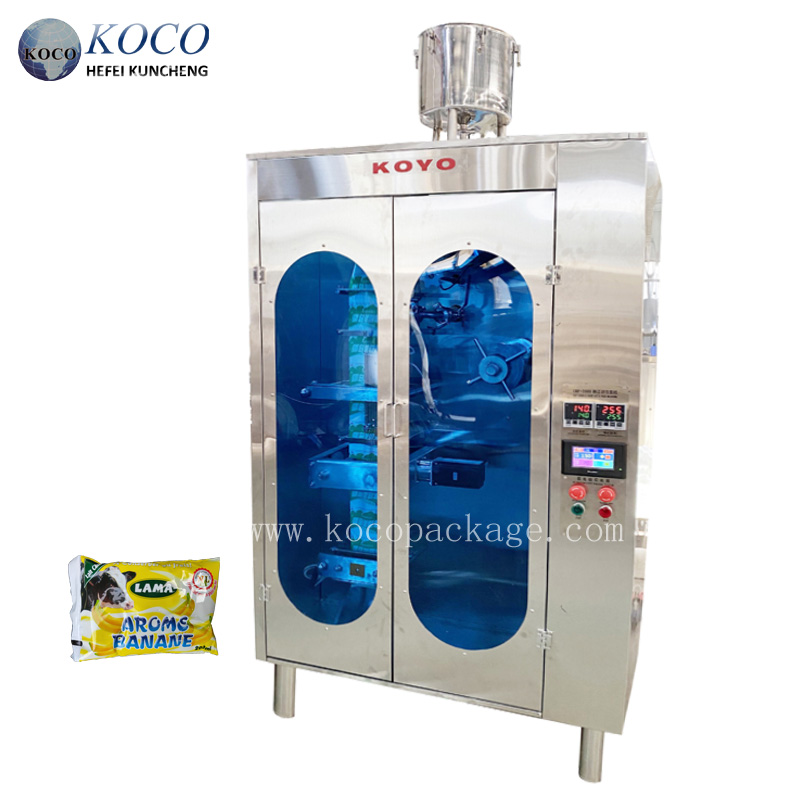
    Introduction: Side-seal liquid packaging machine is a key equipment in the packaging industry, mainly used to fill liquids such as yogurt, milk and juice into bag packaging. The working principle of this machine is to form the roll film into a bag shape and seal it while filling. Working principle: Film conveying and forming: The roll film is loaded onto the film roll and conveyed to the forming tube through a series of rollers and guides. The forming tube forms the flat film into a cylindrical shape, preparing for the subsequent filling and sealing process. Filling and sealing: As the pre-formed film roller moves forward, the filling nozzle accurately distributes the liquid product into the formed bag. At the same time, the sealing mechanism, which usually consists of upper and lower sealing rods equipped with heating elements, applies heat and pressure to seal the edges of the packaging bag. The sealing process is carried out on both sides of the packaging bag, hence the name "side sealing". Sealing parameters such as temperature, pressure and time can be precisely controlled to ensure a strong and leak-proof seal. Maintenance: Daily cleaning: After each production, thoroughly clean the internal and external surfaces of the machine, especially the filling area, sealing rod and film conveying path. Remove any residual liquid, dirt or packaging material to prevent contamination and potential failures in subsequent operations. Use a clean soft cloth or suitable cleaning agent to ensure that electrical components are not corroded by moisture. Lubrication: The milk packing machine needs to regularly lubricate the moving parts of the machine, such as gears, chains and linear guides, with recommended lubricants. Proper lubrication reduces friction, wear and tear, ensures smooth operation and extends the service life of the machine. Please follow the manufacturer's guidance on lubrication intervals and lubricant types. Seal component inspection: Regularly check the sealing strip for wear, damage or residue accumulation. Clean the sealing surface and replace any worn sealing elements in time to maintain stable sealing quality. In addition, check the heating elements and temperature sensors to ensure precise temperature control. Film feeding system adjustment: Monitor the film feeding tension and guide mechanism to ensure smooth and consistent film feeding. Adjust the tension control device and check the film guide device for any wear or misalignment, which may affect the film forming and packaging quality. Electrical system inspection: Check electrical connections, wiring and control system components for any signs of damage, looseness or malfunction. Ensure that the machine's control panel, sensors and actuators are functioning properly to maintain accurate operation and safety. Conclusion: The yogurt packaging machine plays a vital role in the efficient packaging of liquid products. By understanding its working principles and implementing appropriate maintenance measures, operators can optimize machine performance, ensure stable packaging quality and extend its service life. Regular maintenance can not only avoid potential production downtime, but also ensure the safety and hygiene of packaged products, meeting the needs of the packaging industry and the expectations of consumers.
  • Essential Equipment for Beverage Production
    Essential Equipment for Beverage Production Apr 22, 2025
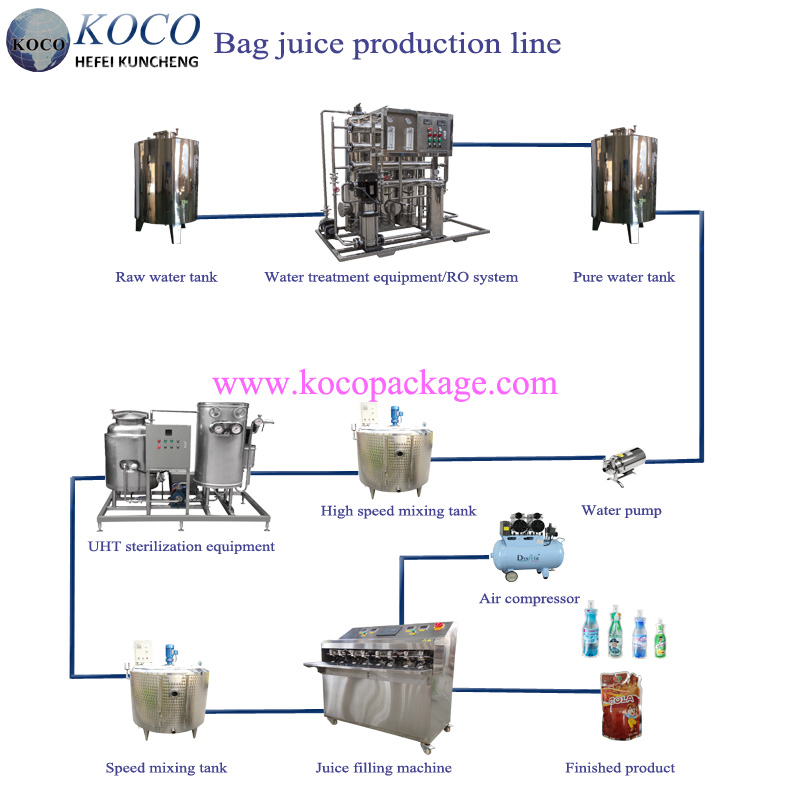
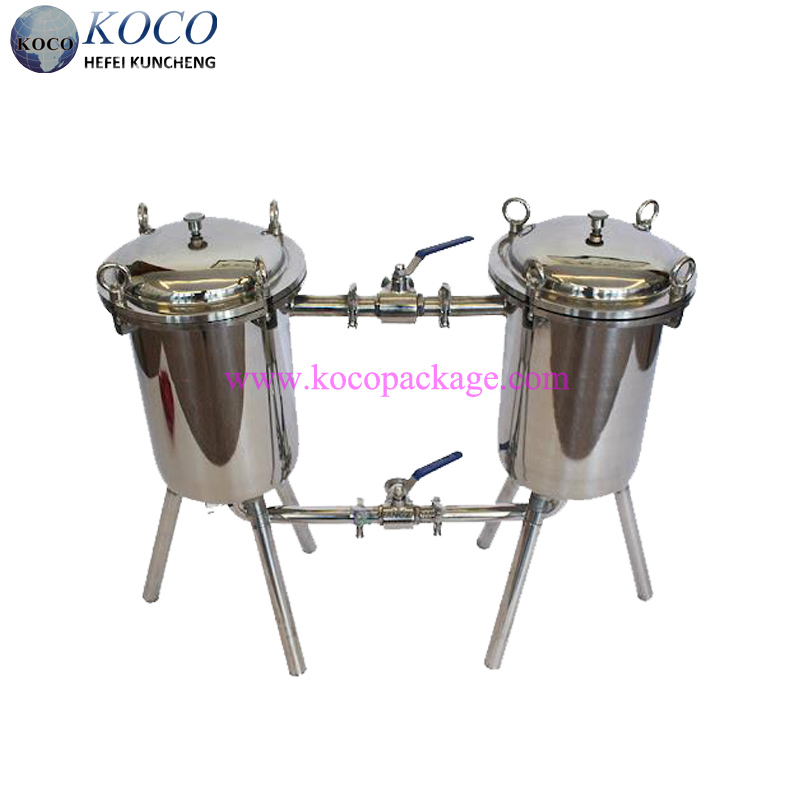
    In the beverage production industry, having the right equipment is essential to ensure product quality, safety, and efficiency. Here are some key equipment and their importance:                      Dual Filtration System Advantages: These systems allow for uninterrupted, continuous filtration. While one filter is in use, the other can be cleaned or replaced. Function: Effectively removes impurities and particulate matter from liquids such as juice and water, ensuring clear, transparent water and a mellow taste. Application: Widely used in the production of various beverages such as juice, purified water, and yogurt.        CIP (Cleaning in Place) Cleaning System Advantages: Automated cleaning process, saving time and manpower, reducing the risk of contamination, and ensuring thorough cleaning of equipment. Function: Tanks, pipes, and other equipment can be cleaned without disassembly, maintaining high hygiene standards. Application: Essential equipment for dairy processing, beverage production, and other food and beverage industries that focus on hygiene.                   UHT  Sterilization Equipment Advantages: Instant sterilization at extremely high temperatures, effectively killing microorganisms while maintaining product quality and nutritional value. Function: Extend the shelf life of beverages such as milk and juice by eliminating harmful bacteria and microorganisms. Application: Commonly used in the production of liquid dairy products, juices and other heat-sensitive beverages.                    High-speed  mixing tank Advantages: Quickly and thoroughly mix various ingredients under high temperature conditions to ensure product quality and consistency. Function: Used to mix, heat and homogenize various liquid ingredients in beverages such as yogurt and flavored milk. Application: Used in the production of dairy beverages, as well as products that require emulsification and mixing in the food processing industry.       These supporting equipment play an indispensable role in the production of juice, water, yogurt and other liquid beverages. They not only improve production efficiency and product quality, but also ensure compliance with food safety standards. Whether you are a small producer or a large beverage manufacturer, investing in these essential equipment can significantly improve your production process and final product quality.
Contact

For inquiries about our products or pricelist, please leave to us and we will be in touch within 24 hours.

Tel : 008613605512069

Email : kocomachinery@gmail.com

Whatsapp : 008619159001917

Address : ZHESHANG START BUSINESS MANSION ROOM NO.1407 NO.103 KEXUEDADAO ROAD, HEFEI ANHUI, CHINA.

Subscribe

Please read on, stay posted, subscribe, and we welcome you to tell us what you think.

submit

Copyright 2025 @ KOCO CO.,LTD .All Rights Reserved.Sitemap | Blog | Network Supported

XML | Privacy Policy

leave a message

leave a message
If you are interested in our products and want to know more details,please leave a message here,we will reply you as soon as we can.
submit

Home

Products

whatsApp

contact