Bagged liquid packaging production lines are prone to various technical problems during operation
Jan 16, 2026
Here are some common examples and their solutions:
Leakage Problems
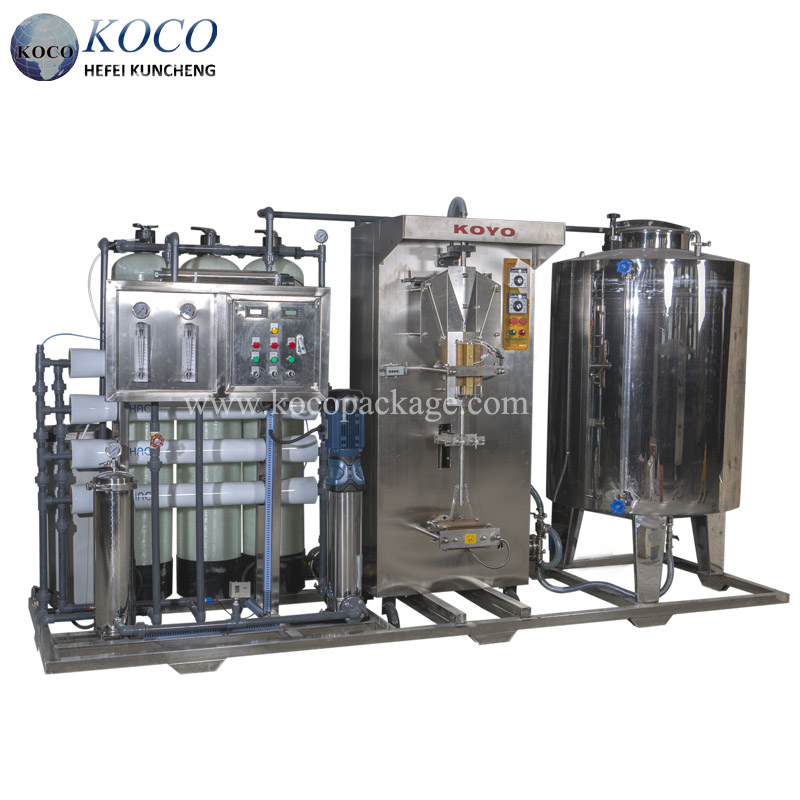
Case: Leaks occur in bagged juice packaging machines, usually due to worn seals, gaskets, or other sealing components, improper valve installation or damage, or container design defects. For example, in a beverage production line, if the sealing ring of the filling nozzle is worn, it may lead to poor sealing during the filling process, causing liquid leakage.
Solution: Regularly inspect seals, gaskets, and other components, and replace them promptly if wear is found. Ensure that valves are installed correctly and tightened. Check the container for design defects and optimize the design as needed. For example, adjust the container shape or increase the sealing area.
Inconsistent Filling Problems
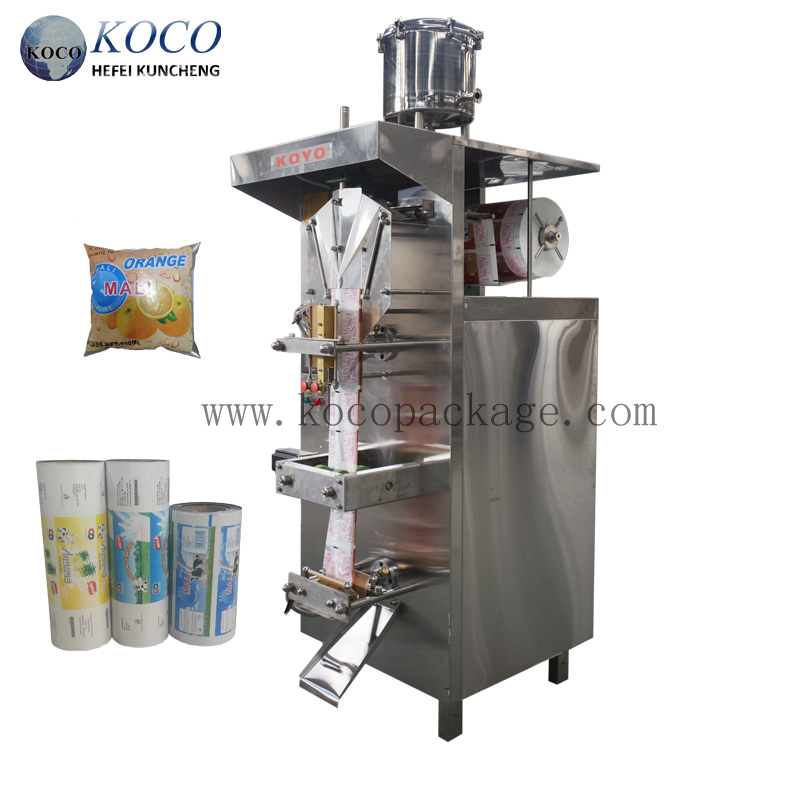
Case: Inconsistent filling volume in sachet water making machines can be caused by inaccurate equipment calibration, worn or damaged seals, pump system malfunctions, or viscosity changes due to environmental factors (such as temperature changes). Operator errors, such as incorrect filling parameter settings, can also lead to this problem. For example, when packaging liquid food, uneven filling volume can lead to under-filled or over-filled bags, affecting product quality and customer satisfaction.
Solution: Recalibrate the equipment regularly and replace seals before they become brittle or worn. Maintain the pump to ensure stable performance throughout the production process. Monitor the product's viscosity and adjust filling settings accordingly. Train operators to correctly set filling parameters and improve their operating skills.
Photoelectric Tracking Problems
Case: Inaccurate photoelectric tracking during the bag-making process of a Koyo water sachet machine may be due to improper selection of the photoelectric sensor.tric eye adjustment method or working state, cursor printing or spacing issues, or an unreasonable cursor design with insufficient scanning area or low contrast between the cursor and its surroundings.
Solution: Confirm whether the photoelectric eye is properly adjusted and determine whether it is set to leading edge or trailing edge control. Verify the tracking method, such as scanning type or fixed-length check type. Improve cursor printing quality and adjust spacing. Redesign the cursor to increase its scanning area and enhance contrast with the surrounding area.
Bag Length Error Issues
Case: In plain material bags, the actual bag length may deviate from the set length. This could be caused by improper adjustment of the servo motor tension, insufficient traction from the rollers, or diameter errors in the rubber rollers. During machine operation, issues like the servo motor dancing roller swinging excessively, film stretching, or rubber roller slippage may also lead to varying bag length.
Solution: Adjust the servo motor tension change rate. Check whether the rubber roller is slipping, clean it, or reduce the unwinding air pressure tension. Replace the rubber roller if necessary. Reduce the servo tension value or lift the dancing roller to limit its swing range. Ensure synchronization between the servo-driven system and the sealing system, and adjust the rotor-to-Hall switch alignment to 90°. If the rubber roller is too hard (exceeding 75 degrees), replace it with a softer one. Check for dust or dirt between the rubber roller and the film and clean as needed.
Addressing these common technical issues in liquid packaging production lines requires a combination of regular equipment maintenance, operator training, and optimization of packaging parameters. By doing so, production efficiency and packaging quality can be effectively improved.




 Network Supported